


Servicing Houston and surrounding areas
24 hours a day, 7 days a week.

Blackmon Plumbing is a trusted, family-owned plumbing company proudly serving Baytown, Houston, and surrounding areas including North Houston and The Woodlands. Since 2007, we've delivered expert residential and commercial plumbing services—from drain and sewer repair to water heaters, gas lines, whole-house generators, and water treatment systems. Our experienced, licensed plumbers are known for quality work, honest pricing, and outstanding customer care.

4315 1/2 Barkaloo Rd , TX 77521 Baytown, Texas 77521
Monday, Tuesday, Wednesday, Thursday, Friday, Saturday, Sunday24 Hours
+1-281-427-8325
Blackmon Plumbing
Click To Call

Generator Installation in Houston | The Turnkey "Fuel-First" Process

Licensed Master Plumbers (MPL-38162). From the gas meter upgrade to the final city inspection, we manage the entire construction project so you don't have to.
24/7 Emergency ServiceHonest Pricing
Request Installation Quote – Call (281) 427-8325

Introduction

Buying a generator is easy. Installing one correctly in Houston is hard. It is not an appliance delivery; it is a major residential construction project that touches your gas lines, electrical panel, and foundation.

At Blackmon Plumbing, we eliminate the chaos of coordinating three different contractors. We provide Turnkey Installation. We don’t just drop the unit on your lawn; we engineer the fuel source, pour the concrete, pull the city permits, and manage the HOA paperwork.

We are the Authorized Generac Dealers who take full responsibility for the project from start to finish. You make one call to one company, and we deliver a complete, permitted, operational backup power system.

The difference between a DIY disaster and a professional installation is the difference between a liability and an asset. We do it right the first time.

Highlands Plumbing

The "Mobile Warehouse" Inventory (Installation Ready)

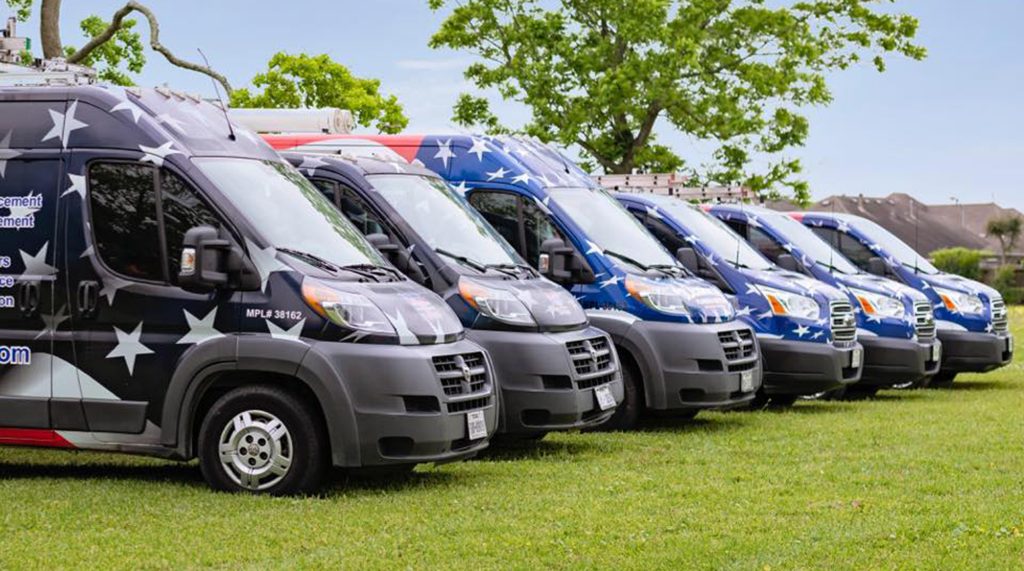
We don’t need to run to the supply house to figure out how to hook up your unit. Our fleet arrives with the infrastructure components already loaded.

The Blackmon 5-Step Installation Protocol

We adhere to a strict project management timeline to get your power operational as quickly as possible while maintaining code compliance.

The Critical Component: Your Gas Meter

This is where most generator installations fail, often months after the initial install when the homeowner experiences their first extended outage.

The Problem

A standard residential gas meter flows about 250 cubic feet per hour (CFH) maximum. A 24kW generator alone needs 250-300 CFH at full load. If you turn on the furnace and the generator simultaneously during a winter storm, the meter maxes out and the generator starves for fuel, causing it to stall or run at reduced capacity.

The Hidden Failure Point

During the contractor’s 5-minute test, the generator runs at partial load and seems fine. But during a real outage when your entire home is drawing power—A/C compressor starting, refrigerators cycling, water heater heating—the generator demands maximum fuel. That’s when undersized gas infrastructure reveals itself.

The Solution

As part of our installation, we verify your meter’s capacity by checking the meter rating plate. If needed, we coordinate with CenterPoint Energy to upgrade you to:

  • Larger Rotary Meter: Flows 400-600 CFH, adequate for most residential generators
  • 2-Pound Elevated Pressure System: Delivers gas at 2 PSI instead of standard 7″ water column, allowing smaller pipe diameters over long runs

The meter upgrade is typically free from CenterPoint (they own the meter), but scheduling takes 2-3 weeks. This is why we start the coordination immediately after contract signing.

Our "Clean Yard" Promise (Property Restoration)

We know that digging trenches scares homeowners. The image of a torn-up lawn with mounds of dirt and dead grass is enough to make some people skip generator installation entirely. We treat your property with respect because we understand it’s not just a yard—it’s your home.

Our Protection Protocol

Plywood Protection Tracks: Before any heavy equipment enters your property, we lay down plywood walkways. This distributes the weight of our trenching equipment and prevents rutting in your grass. Your lawn doesn’t get crushed under the weight of machinery.

Hand-Digging in Sensitive Areas: Around flower beds, sprinkler heads, landscape lighting, and mature tree roots, we hand-dig with shovels. We don’t take shortcuts that destroy your landscaping.

Irrigation System Mapping: Before trenching, we use your sprinkler system diagrams (if available) or probe carefully to locate and mark underground irrigation lines. If we do accidentally cut a line, we repair it at no charge as part of the installation.

Daily Cleanup: At the end of each work day, we don’t leave a construction zone. We rake loose dirt, coil hoses, and keep the site as clean as possible while work is in progress.

The Backfill Process

Proper Compaction: We don’t just dump dirt back in the trench and hope for the best. We backfill in 6-inch layers, compacting each layer to prevent settling. This prevents the trench from collapsing into a ditch months later.

Native Soil Replacement: We use your original topsoil as the final layer, giving new grass seed the best chance to establish.

Grading & Raking: We don’t leave a mound of dirt running across your yard. We grade the trench smooth and rake it level with the surrounding lawn.

Seeding or Sodding: Our installation quotes include re-seeding disturbed areas. For customers who want immediate restoration, we can install sod strips over the trench path (quoted separately).

The Reality Check

Will your yard look exactly the same the day after installation? No. There will be a visible trench line. But within 4-6 weeks after seeding, you’ll struggle to remember exactly where we dug. Most customers tell us they’re surprised at how quickly the lawn recovers and how minimal the long-term impact is.

The alternative—running extension cords through windows during every power outage—damages your home’s weather sealing and creates a permanent fire hazard. We’ll take a temporary trench over a permanent hazard every time.

The Mobile Warehouse Emergency Service Advantage

Even the best installations occasionally need adjustments. This is where our Mobile Warehouse model proves its value during the critical commissioning phase.

Parts on the Truck:

  • Replacement gas regulators (common adjustment after initial startup)
  • Additional flexible gas connectors if routing needs modification
  • Electrical contactors and control boards for ATS troubleshooting
  • Concrete leveling shims if pad settles during first few months

If we discover a component issue during commissioning, we fix it immediately from truck stock rather than scheduling a return visit weeks later.

What Affects Installation Cost? (Pricing Transparency)

We believe in transparent pricing. The cost of the generator unit itself is fixed (determined by size and model), but installation costs vary based on your home’s specific layout and infrastructure needs.

Primary Cost Variables

  1. Distance from Meter to Generator Location

The further the generator sits from your gas meter and electrical panel, the more materials and labor are required.

  • Short Run (20-40 feet): Typical installation with minimal trenching
  • Medium Run (40-80 feet): Requires additional gas pipe and electrical conduit
  • Long Run (80+ feet): May require upsizing gas pipe diameter to compensate for friction loss over distance

Every additional foot of trench adds both material cost (pipe, wire, backfill) and labor (digging, laying, backfilling).

  1. Gas Meter Upgrade Requirements

If your existing meter can’t flow enough gas, we coordinate with CenterPoint Energy for an upgrade. The meter itself is typically provided free by CenterPoint (they own it), but there are scenarios that add cost:

  • Standard Upgrade: Free, but adds 2-3 weeks to timeline
  • Service Line Upgrade: If your underground service line from the street is also undersized, CenterPoint may require upgrading the yard line from the street to your meter (this can add $2,000-$5,000 depending on distance)
  • Regulator Installation: For 2-pound elevated pressure systems, we install a step-down regulator at the generator ($400-$600)

We identify these requirements during the site assessment so there are no surprises.

  1. Concrete Pad Type

You have options depending on budget and site conditions:

  • Composite Fiber Pad: Pre-fabricated, lightweight, adequate for most installations ($300-$500)
  • Pre-Cast Concrete Pad: Heavy-duty, longer lasting, better for uneven ground ($600-$900)
  • Poured-in-Place Concrete: Custom sized, reinforced, required for very large generators or difficult terrain ($1,200-$2,000)

We recommend the pad type based on your generator size and soil conditions, not our profit margin.

  1. Electrical Complexity

Most installations use a standard Automatic Transfer Switch, but some homes require additional equipment:

  • Load Management Modules: If you have multiple A/C units (3+ tons total) or want to power your entire home with a smaller generator, we install “load shed” modules that intelligently cycle heavy loads ($800-$1,500)
  • Sub-Panel Installation: If your main panel is full or outdated, we may need to install a generator-specific sub-panel ($600-$1,200)
  • Service Upgrade: Rarely, very old homes with 100-amp service may benefit from a 200-amp service upgrade to support the generator properly (quoted separately, typically $2,500-$4,000)
  1. Site Accessibility
  • Standard Access: Truck can reach generator location, trenching equipment fits through gate
  • Limited Access: Narrow gates, tight crawl spaces, or need to hand-carry materials through home (adds labor time)
  • Extreme Access: Installation site requires crane lift over house or extensive hand-digging (quoted case-by-case)

Typical Installation Cost Ranges

To give you a realistic expectation (generator unit + installation):

  • 22kW Air-Cooled (Whole Home, Average Size House): $12,000 – $16,000
  • 24kW Air-Cooled (Larger Home, Standard Distance): $14,000 – $18,000
  • 30kW Liquid-Cooled (Estate Home, Multiple A/C Units): $20,000 – $25,000

These ranges assume standard site conditions. Extreme distance runs, meter upgrades requiring service line work, or complex electrical integration can add to the upper end.

Why We Quote After Site Assessment

We provide firm, fixed-price quotes only after seeing your property. Online “instant quotes” or phone estimates are meaningless because they can’t account for:

  • Your actual gas meter capacity
  • Distance from meter to installation site
  • Soil conditions and existing landscaping
  • Electrical panel capacity and condition
  • HOA or city-specific requirements

Our site assessment takes 45-60 minutes and results in a detailed proposal with line-item pricing. You know exactly what you’re paying for before we start work.

Site Placement: Safety & Aesthetics

We follow NFPA (National Fire Protection Association) codes strictly, but we also consider how the installation looks and functions long-term.

Zone-Specific Installation Challenges

Different areas of Houston present unique installation challenges:

Why Generator Installation Requires a Master Plumber

Electricians are excellent at electrical work, but generator installation is fundamentally a gas infrastructure project. The electrical component is actually the simpler part.

Common Questions About Whole-Home Generators

Q: How long does the actual installation take?

A: Once permits are approved and materials are staged, the physical work usually takes 1 to 2 days. Day one is typically gas line installation and concrete pad placement. Day two is electrical integration and commissioning. The gas and electrical teams often work in parallel to minimize disruption.

Q: Will my yard be destroyed?

A: No. We take extensive measures to protect your property:

Hand-dig trenches in sensitive areas near landscaping
Use plywood walkways to protect grass from heavy equipment
Backfill trenches with native soil and rake smooth
Re-seed or sod disturbed areas (included in our quotes)

Most customers are surprised at how clean we leave the site. We treat your property with the same respect we’d give our own homes.

Q: Who handles the inspections?

A: We do. We schedule and meet the City Inspector at your home to walk through:

Gas pressure testing (must hold 30 PSI for 30 minutes)
Electrical grounding verification
Clearance compliance (distances from openings)
ATS functionality

You don’t need to be present or become the expert—we handle all inspector interaction and any required corrections.

Q: What if I need to move or remove the generator later?

A: Because we install everything to code with proper permits, the generator installation adds value to your home and transfers with the property. If you do need to relocate it, the permanent gas line and electrical infrastructure make reinstallation significantly cheaper than a new install from scratch.

Q: Do you warranty the installation work?

A: Yes. We warranty our installation labor for 2 years from commissioning date. Generac warranties the equipment itself (typically 5 years on residential units). If a pipe fitting leaks or an electrical connection fails due to our workmanship, we repair it at no charge.

Q: What’s included in the installation price?

A: Our turnkey installation includes:

Site survey and load calculations
All permitting and HOA coordination
Gas line trenching, pipe, and fittings
Concrete pad or composite mounting pad
Automatic transfer switch and electrical integration
Generator placement and connection
Startup, commissioning, and load testing
Mobile Link™ app configuration
Homeowner training
Final inspection coordination
2-year labor warranty

The only potential additional cost is a CenterPoint meter upgrade if required, which is typically free but occasionally incurs a service fee depending on your specific gas service configuration.

Q: Can you install a generator I purchased elsewhere?

A: We prefer to supply the generator as part of our turnkey package because it allows us to warranty the complete system. However, we can install customer-supplied units if they are new, unused Generac models. We cannot warranty equipment we didn’t supply, but we still warranty our installation labor.

Build It Right the First Time

Don’t let a “truck slammer” ruin your home’s infrastructure with an undersized gas line and unpermitted electrical work. Trust the Master Plumbers who understand that backup power is only reliable if the fuel infrastructure is engineered correctly. 

We don’t take shortcuts. We pull permits, coordinate with utilities, and build systems that work when you need them most.

Schedule Your Installation Survey – Call (281) 427-8325
Request a quote today!

Form

Name